
Upcoming events
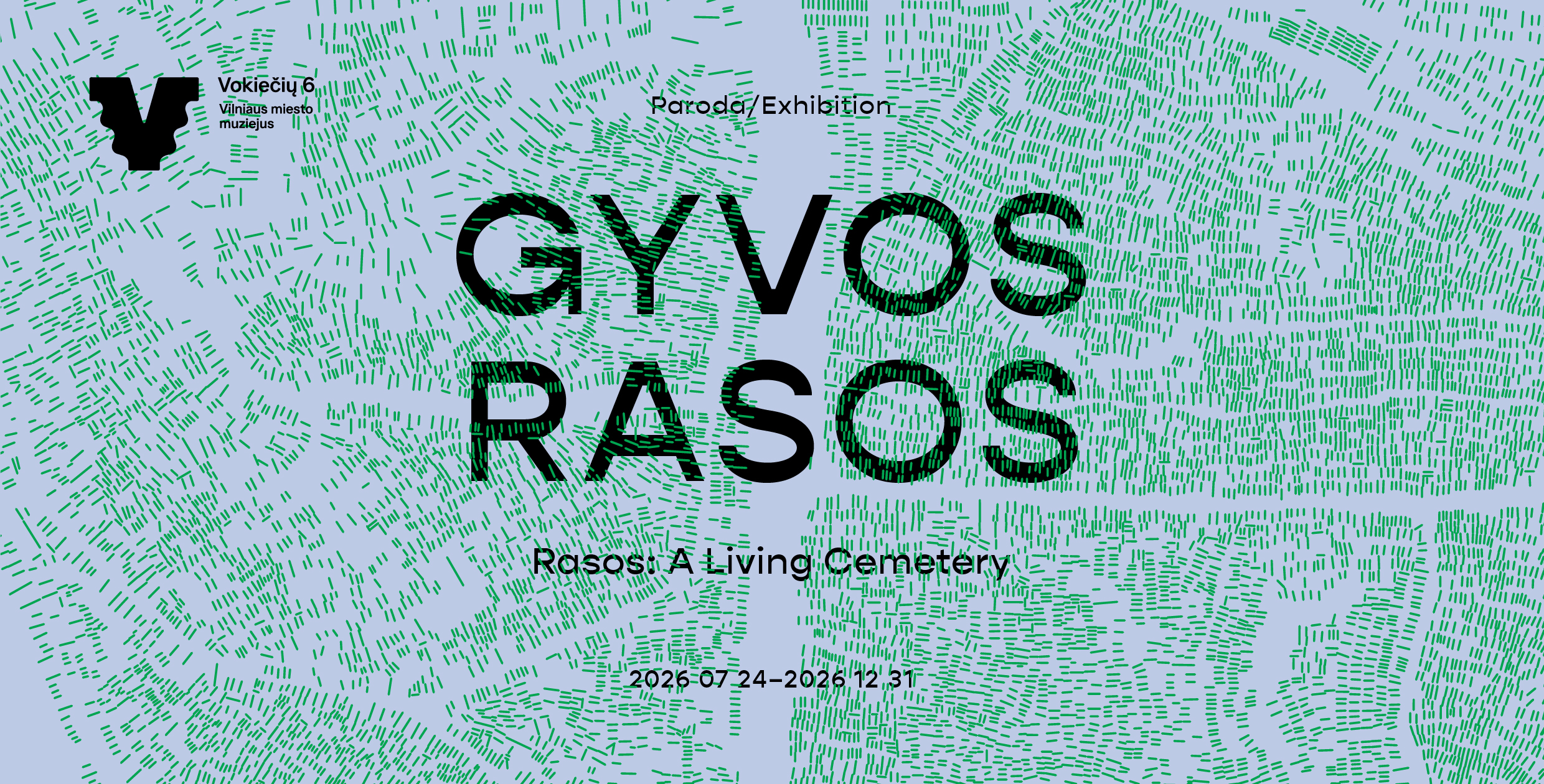


Vokiečių St. 6, Vilnius
II–V 15–19 val.
VI–VII 11–19 val.
We are closed on public holidays, except for Mother’s Day and Father’s Day

Polocko St. 52, Vilnius
II–V 15–19 val.
VI–VII 11–19 val.
We are closed on public holidays, except for Mother’s Day and Father’s Day

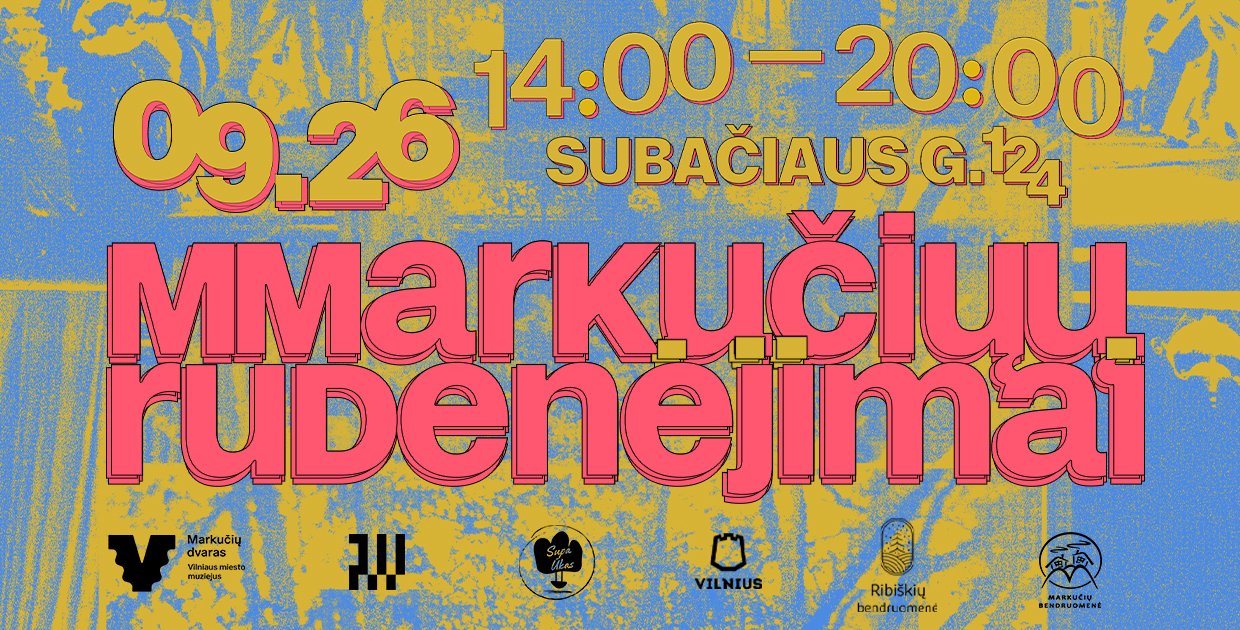
Subačiaus St. 124, Vilnius
The museum is temporarily closed to visitors. We invite you to plan a visit from June 23rd.

A. Vienuolio St. 12-1, Vilnius
II–V 15–19 val.
VI–VII 11–19 val.
We are closed on public holidays, except for Mother’s Day and Father’s Day
Vokiečių St. 6, Vilnius
II–V 15–19 val.
VI–VII 11–19 val.
We are closed on public holidays, except for Mother’s Day and Father’s Day
Polocko St. 52, Vilnius
II–V 15–19 val.
VI–VII 11–19 val.
We are closed on public holidays, except for Mother’s Day and Father’s Day
Subačiaus St. 124, Vilnius
The museum is temporarily closed to visitors. We invite you to plan a visit from June 23rd.
A. Vienuolio St. 12-1, Vilnius
II–V 15–19 val.
VI–VII 11–19 val.
We are closed on public holidays, except for Mother’s Day and Father’s Day